Making Thanksgiving Conversations More Meaningful for Seniors
Thanksgiving is more than a holiday meal. It’s an opportunity to reconnect with family, share memories, and enjoy meaningful conversations with the people we love.
But sometimes, finding things to talk about can be a challenge. Sharing interesting facts about Thanksgiving can be a simple way to get conversations started, especially with senior family members.
From the history of the first Thanksgiving to the traditions we enjoy today, these little pieces of trivia can lead to bigger conversations. Ask your senior loved ones what Thanksgiving celebrations were like when they were younger, what dishes they remember most, or how their family used to celebrate.
You might hear stories you’ve never heard before!
At Caregiverlist, we believe that compassionate caregiving goes beyond meeting physical needs. It also means creating opportunities for connection, encouraging social interaction, and making seniors feel valued and included.
This Thanksgiving, remember that some of the best holiday moments don’t happen around the dinner table. They happen through the stories we share and the time we spend together.
As we age, our skin changes in ways that can affect our comfort, health, and daily care. From increased dryness to slower wound healing, understanding these changes can help older adults and their caregivers make better decisions about skin care.
Here are five interesting facts about skin health in seniors and why they matter.
1. Skin Becomes Thinner With Age
As we get older, our skin gradually becomes thinner and more fragile. This makes it more vulnerable to tears, irritation, and injuries. Gentle handling and moisturizing can help protect aging skin.
2. Dry Skin Becomes More Common
Aging skin produces less natural oil, which can lead to dryness, itching, and discomfort. Using a gentle, fragrance-free moisturizer and avoiding overly hot showers can help keep skin comfortable.
3. Skin Heals More Slowly
Cuts and wounds may take longer to heal as we age. Proper wound care, good nutrition, and keeping the skin clean can support the healing process. Wounds that do not improve or show signs of infection should be evaluated by a healthcare professional.
4. Bruises Can Appear More Easily
Older adults may bruise more easily because their skin becomes thinner and the small blood vessels underneath become more fragile. Even minor bumps can cause visible bruising, so protecting the skin from unnecessary injuries is important.
5. Skin Helps Regulate Body Temperature
Our skin plays an important role in keeping the body cool or warm. As we age, the body’s ability to respond to heat and cold may become less effective. Staying hydrated, dressing appropriately for the weather, and avoiding extreme temperatures can help older adults stay safe and comfortable.
Why Skin Care Matters as We Age
Healthy skin is more than just appearance. It serves as a protective barrier against infection, helps regulate body temperature, and provides important sensory information. A simple daily skin care routine, regular observation for unusual changes, and proper hydration can make a meaningful difference.
Caregivers can also help by noticing changes such as persistent redness, unusual bruising, open wounds, or areas of irritation and reporting concerns when needed.
For more helpful resources on senior care, caregiving, and healthy aging, visit Caregiverlist.
Watch the Video
Want the quick version? Watch our YouTube Short featuring 5 Interesting Facts About Skin Health in Seniors.
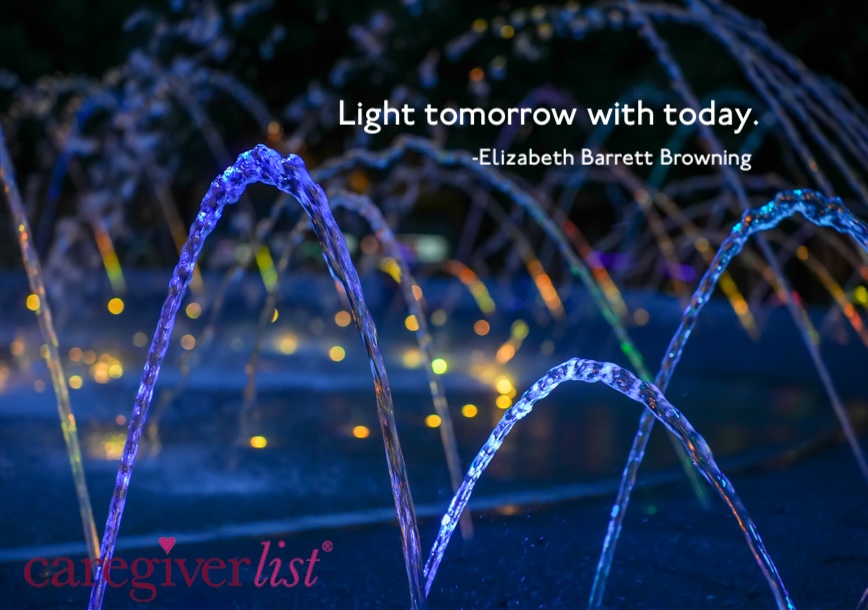
“Light tomorrow with today.” – Elizabeth Barrett Browning
Sometimes, the best way to make tomorrow a little easier is to do something positive today. For caregivers, that can mean taking a moment to rest, practicing self-care, or simply focusing on one small thing you can accomplish.
Caring for others starts with caring for yourself. Give yourself permission to pause, recharge, and bring a little light into your day. 💙
Patience is one of the most important caregiver skills you can develop. Whether you’re helping a senior with daily care tasks, supporting someone with memory loss or dementia, or simply providing companionship, patience builds trust and creates a calm, caring environment. In professional caregiver training, we often remind caregivers that slowing down and staying present can improve both the quality of care and the client’s comfort. 💙
🧠 Caregiver Tip: Take a deep breath before responding when challenges arise. A calm caregiver helps create a calm environment, something every senior deserves in home care and senior care settings.
When Vanessa Carter became the primary caregiver for her father Ted, who was living with Alzheimer’s, her life changed completely. She had already cared for her mother through dementia and now found herself caring for her father while raising her young son — part of what’s known as the “sandwich generation.” Vanessa often felt torn between responsibilities, battling exhaustion and guilt, wondering if she was doing enough. Over time, she learned that caregiving isn’t just about managing memory loss; it’s about offering connection, dignity, and joy even in small moments. With support and training, she found strength in compassion and became an advocate for caregivers everywhere.
“Caregiving taught me that love can still shine through, even when memory fades.” – Vanessa Carter
Learn More: Find online caregiver training and support at Caregiverlist Training University, where you can build confidence and skills to care with compassion.
When Tom was diagnosed with young-onset Alzheimer’s at just 60, his wife Mary Swenson decided she wouldn’t let the disease take away their joy.
Instead of waiting for life to slow down, they made a bucket list of dreams they still wanted to share from skydiving to seeing gorillas in Africa. Every adventure reminded them that love and connection are stronger than any diagnosis.
Mary says, “You can sit around and wait, or you can choose adventure.”
Her story is a powerful reminder that caregiving can be both challenging and beautiful, filled with courage, laughter, and purpose.
Learn More: Find Alzheimer’s caregiver training and state-approved courses at Caregiverlist.com to help families like Mary’s provide better care every day.
When Cherina’s mother first started forgetting names and misplacing things, her family thought it was just normal aging. But as time went on, daily routines like cooking and paying bills became difficult, and Cherina realized her mom needed more care.
Stepping into the caregiver role was overwhelming at first. Balancing work, family, and her mother’s needs. But Cherina discovered that caregiving isn’t just about tasks. It’s about patience, reassurance, and finding ways to make her mom feel safe and loved, even as memories faded.
Through the challenges, she learned that every smile, every moment of connection, matters. Alzheimer’s changes lives, but caregiving brings dignity and love back into each day. 💙
“I realized caregiving is about preserving dignity and showing love in every moment, even when memories are gone.” – Cherina
👉 Learn more at www.caregiverlist.com Caregiverlist connects caregivers and senior care agencies with the tools they need: state-approved training, certification, job resources, and community support to help every caregiver succeed.
As caregivers, we know every small act of kindness makes a big difference. Whether it’s offering a listening ear, preparing a meal with love, or simply showing up with patience and compassion, these little moments add up to create lasting comfort for those we care for.
This week, let’s remind ourselves: caregiving isn’t just about tasks—it’s about heart.
What’s one small thing you did recently that made your client, patient, or loved one smile? Share it with us below to inspire others in our PAC community! 🌿
Where to Visit: Explore caregiver resources, training, and support at www.caregiverlist.com.
Here at Caregiver Training University, We Enable Every Person’s Heart to Beat as a Caregiver
Providing quality care for seniors means more than just compassion — it requires the right skills and ongoing education. That’s why caregiver training is so valuable. When caregivers are trained properly, they gain the confidence to handle daily care tasks, communicate effectively with clients, and respond safely in emergencies. For agencies, this not only improves the quality of care but also helps with caregiver retention and compliance with state requirements.
At Caregiver Training University, we make it easy with state-approved, online caregiver courses that can be completed anytime, anywhere. Our platform allows agencies to track caregiver progress, issue customized certificates, and ensure staff stay compliant year after year. Families notice the difference when caregivers are trained and prepared — and agencies benefit from stronger teams and better client satisfaction.
Great caregivers understand that compassion begins with self-compassion. Caring for seniors can be physically and emotionally demanding, and without proper self-care, burnout can happen quickly. Simple habits like getting enough sleep, eating balanced meals, and setting aside time for hobbies or relaxation are not selfish, they’re essential.
When caregivers feel strong, rested, and emotionally balanced, they’re better able to provide patient, attentive, and safe care. At Caregiverlist, we’re here to support you with training, tools, and resources that help you grow in your career while protecting your well-being. Because a healthy caregiver is a better caregiver for their clients, families, and themselves.